



Isotope-Labeled Compounds
Isotope-labeled compounds are chemical substances in which some atoms in their molecules are replaced by isotope atoms. The range of stable isotope products can cover from gases to complex molecules. Isotope-labeled compounds could provide a site-specific investigation of structures, making molecules easily detectable by mass spectrometry and NMR, and maintaining the physico-chemical properties of the target molecule at the same time.
MCE isotope-labeled compounds are all stable isotope-labeled compounds and are non-radioactive labeled substances. MCE isotope-labeled compounds are unique tools for identifying and understanding biological and chemical processes. Stable isotope-labeled products are now getting more and more popular among scientists. The scope of application is gradually penetrating into various scientific fields, such as life sciences, food and medicine, agriculture, environment, geology, etc. Stable isotope-labeled compounds have a wide range of applications in the Life Science areas, such as Metabolomics, Proteomics, Clinical studies, Deuterium drugs, etc.
All Product Categories
-
Isotope-Labeled Compounds Related Products (11051)
Related Products (11051)

-
L-Glutamine-13C5
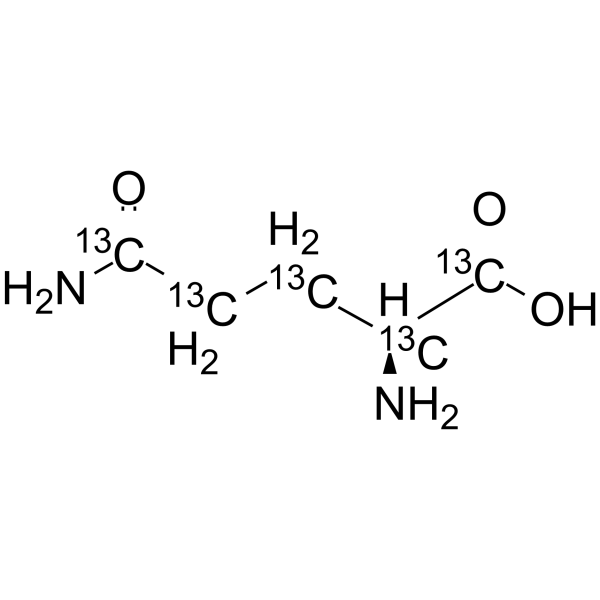 0 ImagesSynonyms: L-Glutamic acid 5-amide-13C5L-Glutamine-13C5 is the 13C-labeled L-Glutamine (HY-N0390). L-Glutamine is an orally active nutritional agent and cellular metabolism regulator. L-Glutamine is taken up in a Na+-dependent manner and targets multiple key molecules including glutaminase, mTORC1, NF-κB, STAT-3 and HIF-1α. L-Glutamine enhances glutaminolytic catabolism, drives the conversion of glutamate to α-ketoglutarate, thereby regulating gene expression, integrating metabolic signals, mediating glutamine flux and maintaining redox homeostasis. L-Glutamine also promotes cell proliferation, osteogenic differentiation and fracture healing, exerts neuroprotective and cardioprotective effects, and inhibits osteoarthritis. L-Glutamine can be applied to research related to osteoporosis, osteoarthritis, ischemic stroke and acute cantharidin-induced cardiotoxicity.
-
Exatecan-d5 mesylate
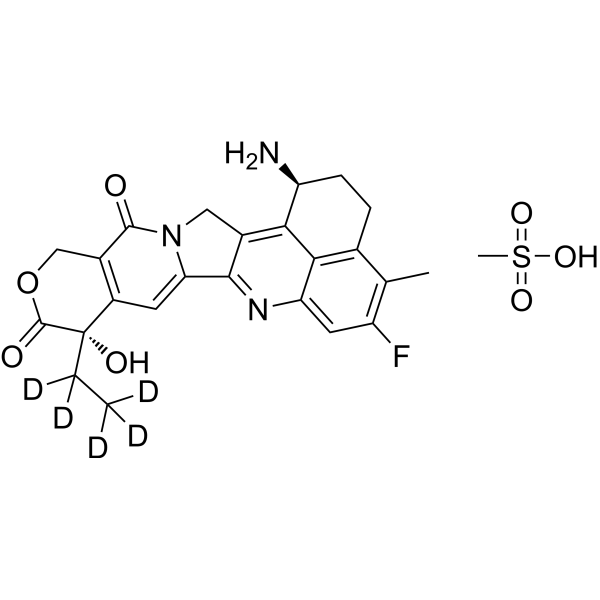 0 ImagesSynonyms: DX8951f-d5; Deuterated labeled Exatecan mesylateExatecan-d5 (DX8951f-d5) mesylate is deuterium labeled Exatecan mesylate (HY-13631A). Exatecan mesylate is a DNA topoisomerase I inhibitor, with an IC50 of 2.2 μM (0.975 μg/mL). Exatecan mesylate can be used in cancer research.
-
L-Lactic acid-13C3
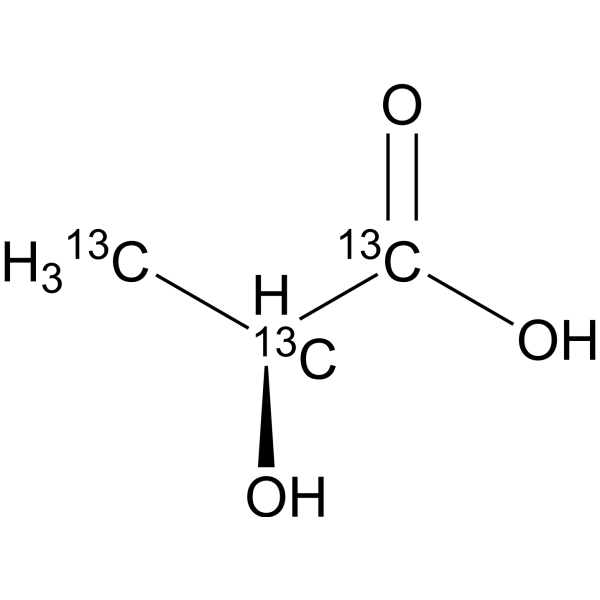 0 ImagesSynonyms: (S)-2-hydroxypropanoic-13-C3L-Lactic acid-13C3 is a 13C-labeled L-Lactic acid (HY-Y0479). L-Lactic acid-13C3 can be used for lactate metabolism research.
-
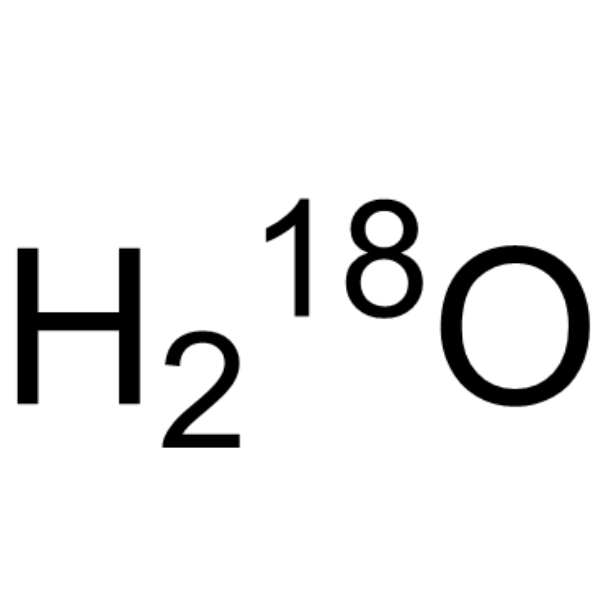
Sodium cyanoboronhydride-d3
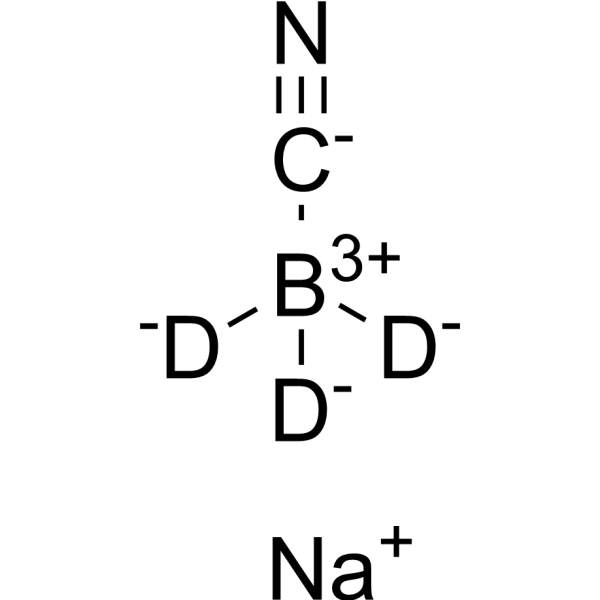 0 ImagesSodium cyanoboronhydride-d3 is the deuterium labeled Sodium cyanoboronhydride.
-
Uric acid-15N2
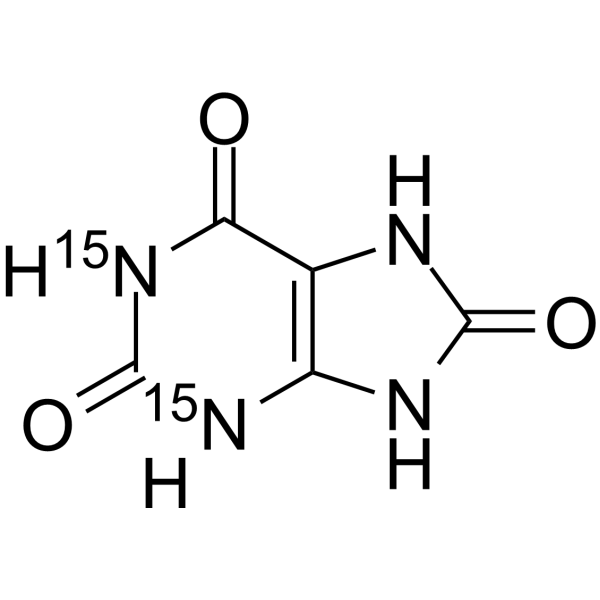 0 ImagesUric acid-15N2 is the 15N-labeled Uric acid (HY-B2130). Uric acid is an orally active oxygen free radical scavenger that helps maintain stable blood pressure and combat oxidative stress. Uric acid can scavenge ROS, such as singlet oxygen and peroxynitrite, and inhibit lipid peroxidation. Uric acid can be used as a modeling agent in research on hyperuricemia-induced hypertension models.
-
Fumaric acid-d4
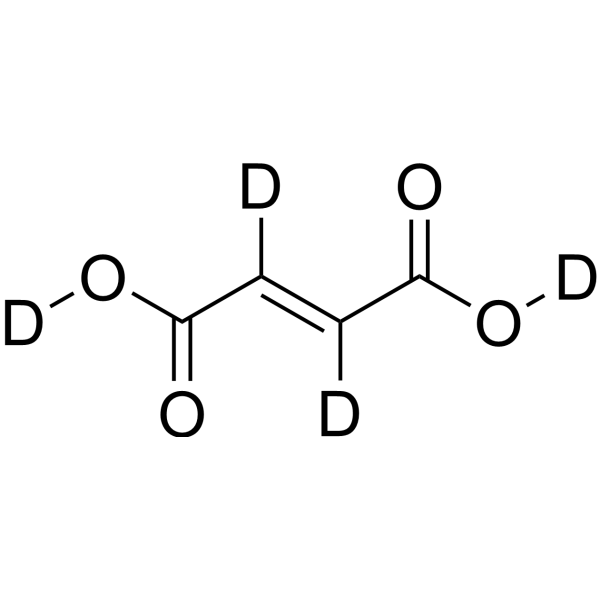 0 ImagesFumaric acid-d4 is the d4-labeled Fumaric acid (HY-W015883). Fumaric acid is an unsaturated dicarbonic acid, an intermediate product of the citric acid cycle that provides intracellular energy in the form of ATP. Fumaric acid exerts anti-inflammatory effects by inhibiting the NF-κB signaling pathway dependent on p38 MAPK. Fumaric acid can be used in the study of pregnancy-induced hypertension.
-
Rosuvastatin-d3 sodium
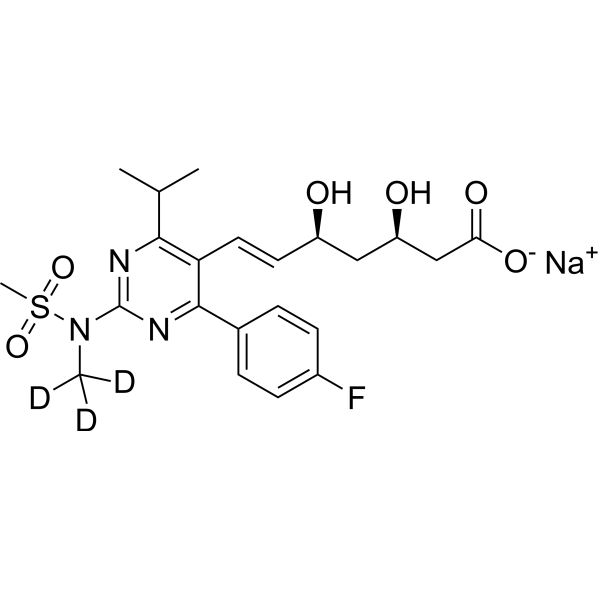 0 ImagesRosuvastatin-d3 sodium is the deuterated-labeled Rosuvastatin Sodium (HY-17504B). Rosuvastatin Sodium is a competitive HMG-CoA reductase (HMGCR) inhibitor, with an IC50 of 11 nM. Rosuvastatin Sodium potently blocks hERG current with an IC50 of 195 nM. Rosuvastatin Sodium reduces the expression of the mature hERG and the interaction of heat shock protein 70 (Hsp70) with the hERG protein. Rosuvastatin Sodium effectively lowers low-density lipoprotein (LDL) cholesterol, triglycerides, and C-reactive protein levels.
-
Sorafenib-d3
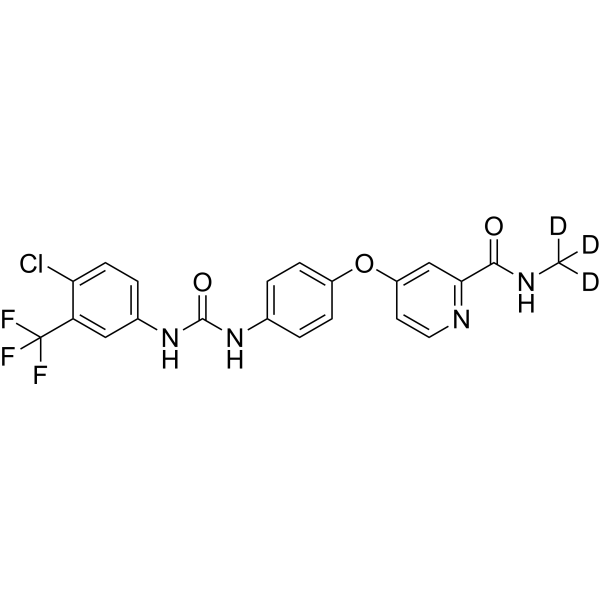 0 ImagesSynonyms: Donafenib; Bay 43-9006-d3Sorafenib-d3 (Donafenib) is the deuterated-labeled Sorafenib (HY-10201). Sorafenib (Bay 43-9006) is a potent oral active multikinase inhibitor. Sorafenib blocks autophosphorylation and activity of receptor tyrosine kinases (VEGFR-2, VEGFR-3) and RAF family kinases, thereby suppressing the RAF/MEK/ERK and PI3K/Akt pathways, inhibiting STAT3 phosphorylation, and selectively inhibiting the MAPK pathway in cancer cells. Sorafenib induces cell cycle arrest, autophagy, apoptosis, and PARP cleavage, reduces Bcl-2, Bcl-XL, cyclin D1 levels, and activates Bak and Bax. Sorafenib inhibits tumor growth and metastasis in mouse and rat models. Sorafenib can be used for cancer research, such as colon, breast, non-small-cell lung cancer (NSCLC), ovarian, pancreatic, melanoma, colorectal and hepatocellular carcinoma.
-
L-Glutamine-15N2
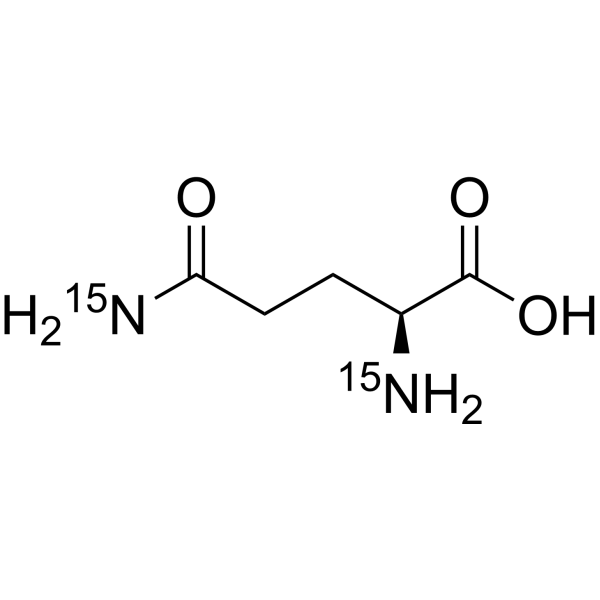 0 ImagesSynonyms: L-Glutamic acid 5-amide-15N2L-Glutamine-15N2 is the 15N-labeled L-Glutamine (HY-N0390). L-Glutamine is an orally active nutritional agent and cellular metabolism regulator. L-Glutamine is taken up in a Na+-dependent manner and targets multiple key molecules including glutaminase, mTORC1, NF-κB, STAT-3 and HIF-1α. L-Glutamine enhances glutaminolytic catabolism, drives the conversion of glutamate to α-ketoglutarate, thereby regulating gene expression, integrating metabolic signals, mediating glutamine flux and maintaining redox homeostasis. L-Glutamine also promotes cell proliferation, osteogenic differentiation and fracture healing, exerts neuroprotective and cardioprotective effects, and inhibits osteoarthritis. L-Glutamine can be applied to research related to osteoporosis, osteoarthritis, ischemic stroke and acute cantharidin-induced cardiotoxicity.
-
S-Adenosyl-L-methionine-d3
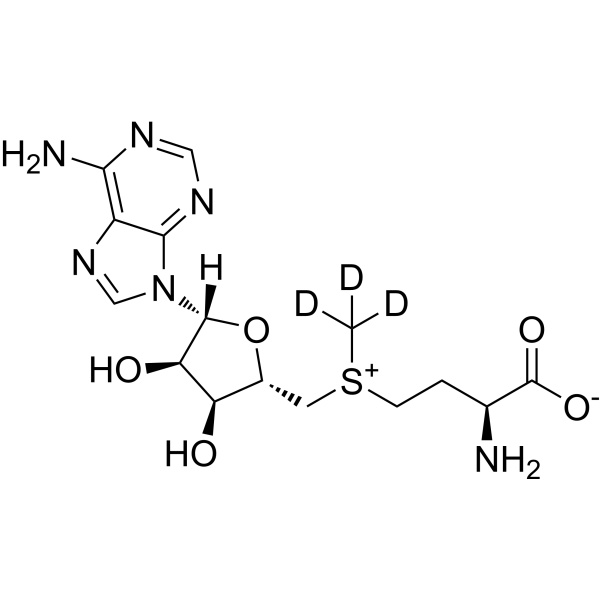 0 ImagesSynonyms: S-Adenosyl methionine-d3; Ademetionine-d3; AdoMet-d3S-Adenosyl-L-methionine-d3 (S-Adenosyl methionine-d3) is the deuterated product of S-Adenosyl-L-methionine (HY-B0617). S-Adenosyl-L-methionine (S-Adenosyl methionine) is an orally active methyl group donor. S-Adenosyl-L-methionine is a dietary supplement with potent antidepressant effects. S-Adenosyl-L-methionine also has anti‑proliferative, pro‑apoptotic and anti‑metastatic roles in cancers. S-Adenosyl-L-methionine has the potential for, cancer, liver disease and osteoarthritis research.
-
L-Arginine-13C6 hydrochloride
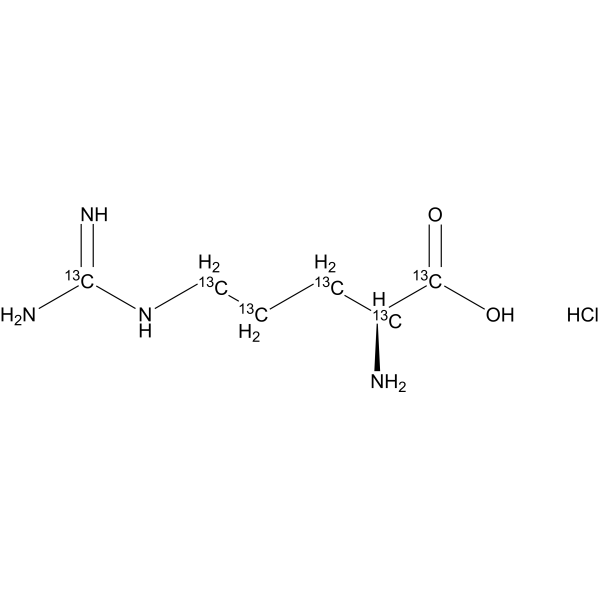 0 ImagesSynonyms: (S)-(+)-Arginine-13C6 hydrochlorideL-Arginine-13C6 (hydrochloride) is the 13C-labeled L-Arginine hydrochloride. L-Arginine hydrochloride ((S)-(+)-Arginine hydrochloride) is the nitrogen donor for synthesis of nitric oxide, a potent vasodilator that is deficient during times of sickle cell crisis.
-
3-Indoleacetic acid-d5
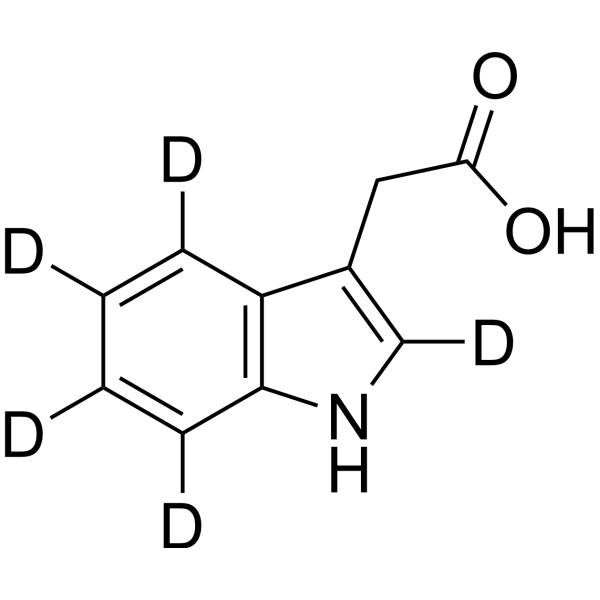 0 ImagesSynonyms: Indole-3-acetic acid-d5; 3-IAA-d53-Indoleacetic acid-d5 (Indole-3-acetic acid-d5) is the deuterated-labeled 3-Indoleacetic acid (HY-18569). 3-Indoleacetic acid is is an IAA hormone and growth regulator that can promote plant nutritional growth through processes such as cell expansion, differentiation, morphogenesis, and organogenesis.
-
2-Ketoglutaric acid-13C5
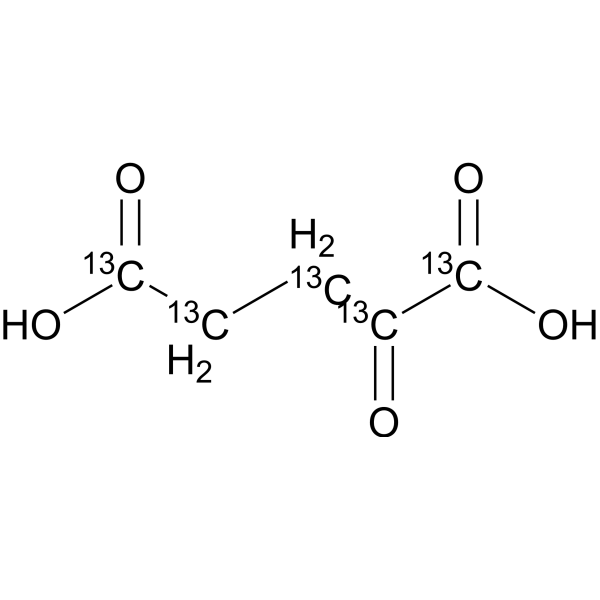 0 ImagesSynonyms: Alpha-Ketoglutaric acid-13C52-Ketoglutaric acid-13C5 (Alpha-Ketoglutaric acid-13C5) is a 13C labeled 2-Ketoglutaric acid (HY-W013636). 2-Ketoglutaric acid (Alpha-Ketoglutaric acid) is an intermediate in the production of ATP or GTP in the Krebs cycle. 2-Ketoglutaric acid also acts as the major carbon skeleton for nitrogen-assimilatory reactions. 2-Ketoglutaric acid is a reversible inhibitor of tyrosinase (IC50=15 mM).
-
Ammonium chloride-15N
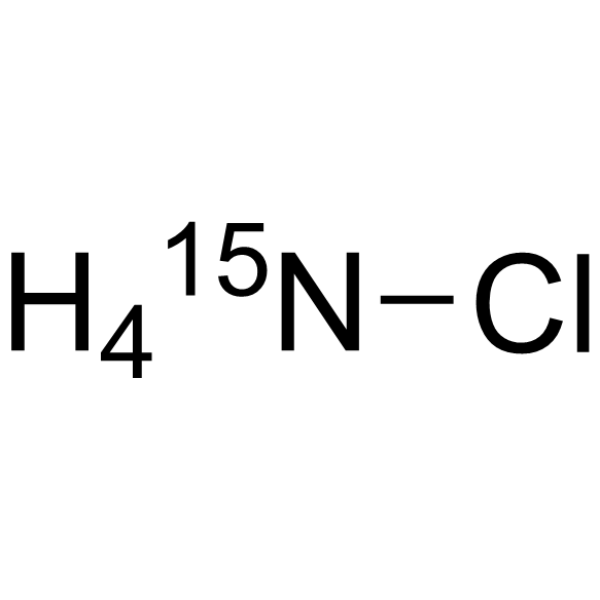 0 ImagesAmmonium chloride-15N is the 15N labeled Ammonium chloride (HY-Y1269). Ammonium chloride, as a heteropolar compound with pH value regulation, can cause intracellular alkalization and metabolic acidosis thus effecting enzymatic activity and influencing the process of biological system. Ammonium chloride is an autophagy inhibitor. Ammonium chloride is also a lysosome inhibitor.
-
L-Glutamine-15N
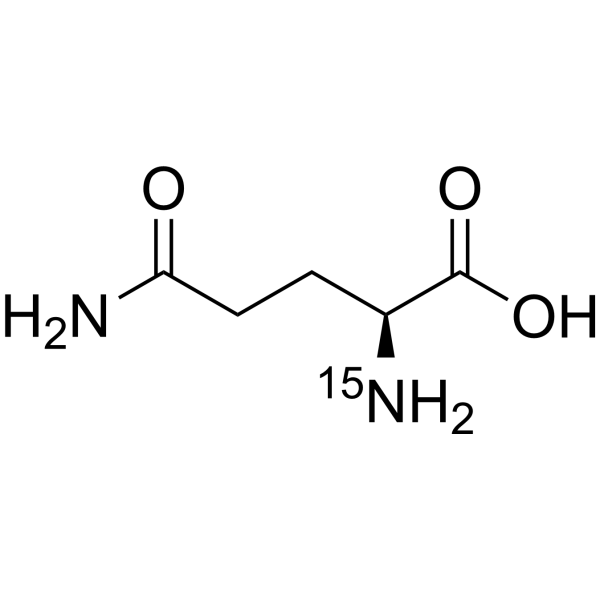 0 ImagesSynonyms: L-Glutamic acid 5-amide-15NL-Glutamine-15N is the 15N-labeled L-Glutamine (HY-N0390). L-Glutamine is an orally active nutritional agent and cellular metabolism regulator. L-Glutamine is taken up in a Na+-dependent manner and targets multiple key molecules including glutaminase, mTORC1, NF-κB, STAT-3 and HIF-1α. L-Glutamine enhances glutaminolytic catabolism, drives the conversion of glutamate to α-ketoglutarate, thereby regulating gene expression, integrating metabolic signals, mediating glutamine flux and maintaining redox homeostasis. L-Glutamine also promotes cell proliferation, osteogenic differentiation and fracture healing, exerts neuroprotective and cardioprotective effects, and inhibits osteoarthritis. L-Glutamine can be applied to research related to osteoporosis, osteoarthritis, ischemic stroke and acute cantharidin-induced cardiotoxicity.
-
Creatinine-d3
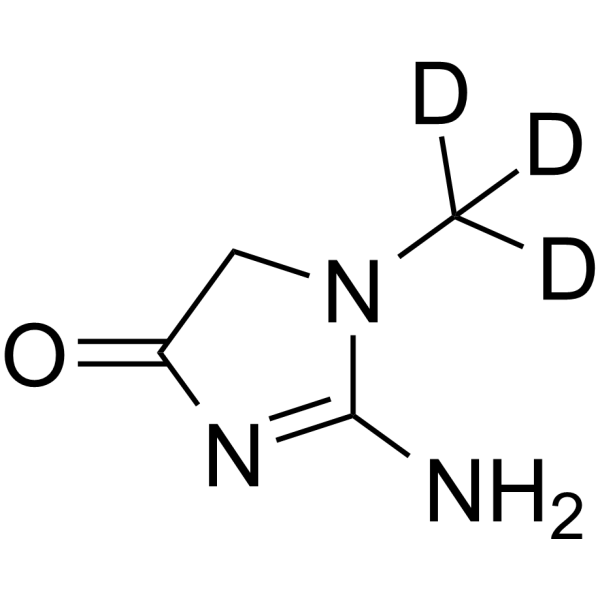 0 ImagesSynonyms: NSC13123-d3Creatinine-d3 is a deuterium labeled Creatinine. Creatinine (NSC13123) is an orally active, blood-brain barrier-permeable modulator of GABAA and NMDA receptors, with activities of antioxidation and metabolic regulation. Creatinine is generated via non-enzymatic conversion of creatine and phosphocreatine in muscle. Creatinine serum levels correlate with muscle mass, glomerular filtration rate, and extrarenal clearance, serving as an evaluation biomarker for renal function, muscle mass, and clinical outcomes, and used for perioperative renal risk assessment. In addition, Creatinine can induce specific Cryptococcus species to produce creatinine deiminase and act as their nitrogen source, while it can be secreted via renal tubules. Creatinine is widely used in research related to various diseases such as neurodegenerative diseases, psychiatric disorders, acute kidney injury, chronic kidney disease, and renal failure.
-
L-Lactic acid-13C3 sodium (20% w/w in water)
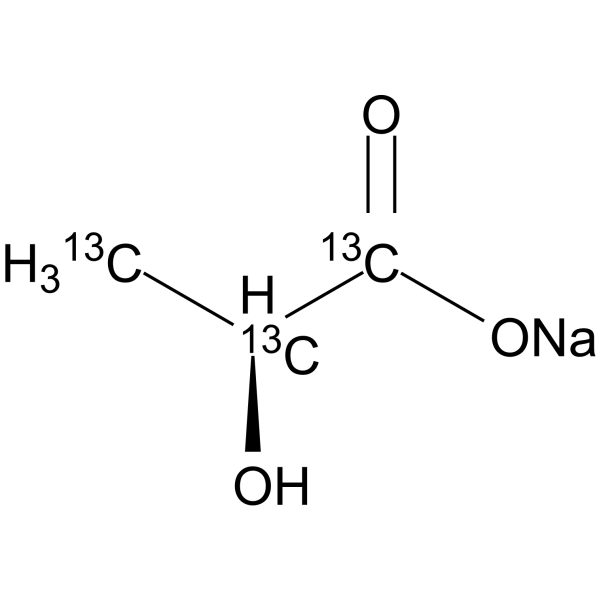 0 ImagesSynonyms: (S)-2-hydroxypropanoic-13-C3 sodium (20% w/w in water)L-Lactic acid-13C3 ((S)-2-hydroxypropanoic-13C3) sodium (20% in water) is the 13C labeled L-Lactic acid. L-Lactic acid-13C3 sodium (20% in water) can be used for lactate metabolism research.
-
L-Tryptophan-13C11
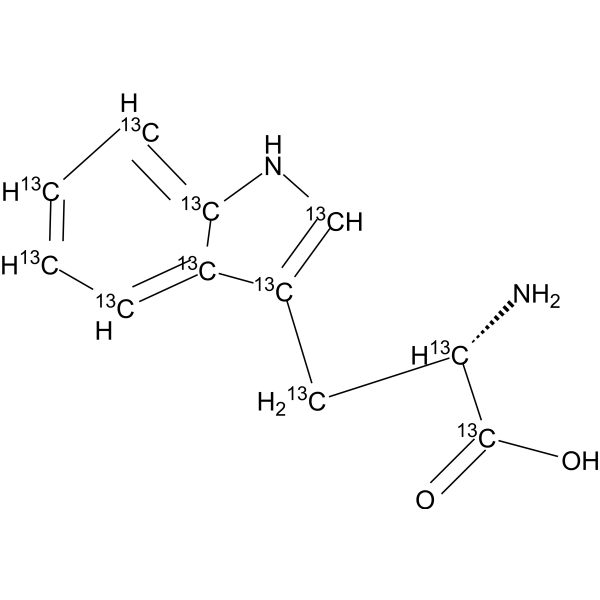 0 ImagesSynonyms: Tryptophan-13C11; Tryptophane-13C11L-Tryptophan-13C11 is the 13C-labeled L-Tryptophan. L-Tryptophan (Tryptophan) is an essential amino acid that is the precursor of serotonin, melatonin, and vitamin B3.
-
Serotonin-d4
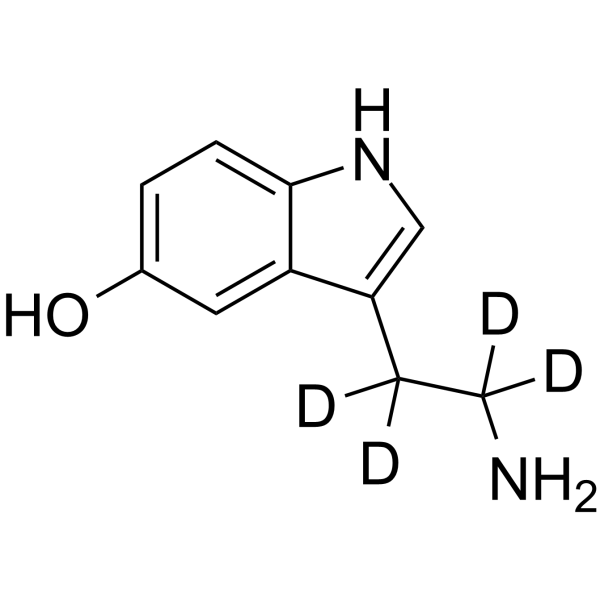 0 ImagesSynonyms: 5-Hydroxytryptamine-d4; 5-HT-d4Serotonin-d4 is deuterium labeled Serotonin. Serotonin is a monoamine neurotransmitter in the CNS and an endogenous 5-HT receptor agonist. Serotonin is also a catechol O-methyltransferase (COMT) inhibitor with a Ki of 44 μM.



